FRENCH • A1-C2 • SPEAKING ACTIVITY
French Icebreaker Conversation Topics – Speaking Activity
A selection of simple and effective French conversation topics to help learners speak, start a lesson, create interaction and practice oral expression at different levels.
These topics can be used as warm-up questions, pair work, short speaking tasks, mini-debates or preparation for written production.
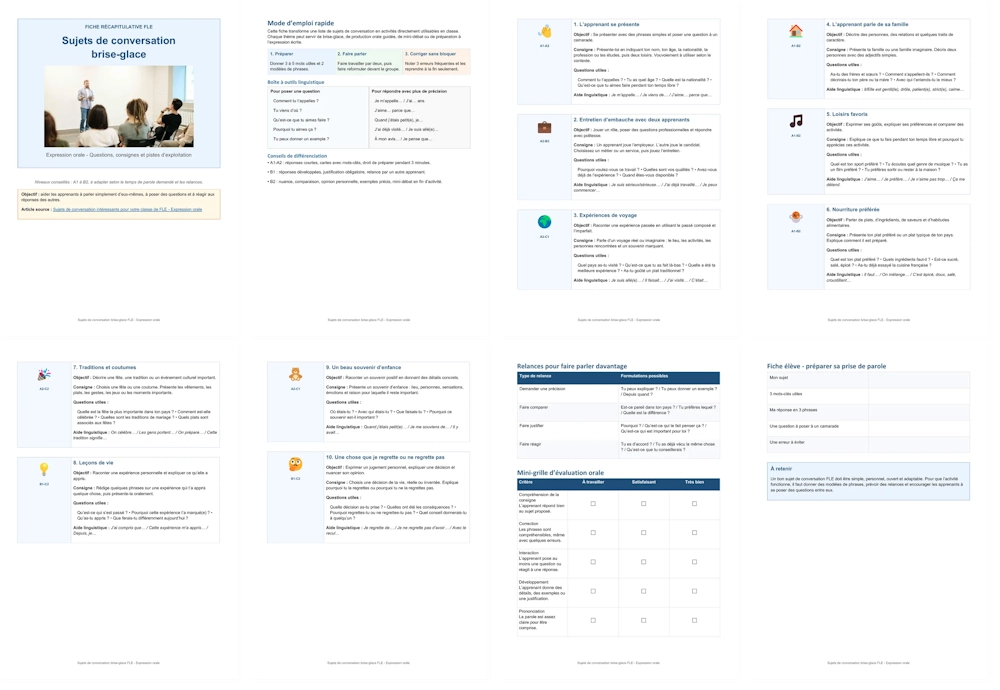
🧠 Quick warm-up before starting
Before starting a conversation activity, you can ask one very simple question to make learners feel more comfortable. The goal is not to correct everything immediately, but to encourage students to speak.
- Do you prefer talking about hobbies, family or travel?
- What question would you like to ask another student today?
📋 Worksheet information
| Level | A1 to C2, depending on the topic, the expected speaking time and the level of detail required. |
|---|---|
| Activity type | French speaking practice, icebreaker, pair work, interaction, mini-debate, personal storytelling and guided oral production. |
| Topics | Introductions, job interviews, travel, family, hobbies, food, traditions, memories, regrets and life lessons. |
| Skills | Introducing oneself, asking questions, telling a story, expressing an opinion, justifying an answer and reacting to others. |
| Premium format | 8-page recap file available as a printable PDF and editable DOCX for premium members. |
🔍 What is included in this article? ▼
These French speaking topics will help you run more dynamic French lessons. They can be used as icebreakers at the beginning of a lesson, pair conversation prompts or starting points for written work.
-
11 ready-to-use French conversation topics Accessible themes to get learners speaking quickly, with useful questions and teaching ideas.
-
Adaptable levels The same topic can be used in a simple way with beginners or developed in depth with advanced learners.
-
Flexible classroom use Pair work, group speaking, mini-debates, written preparation or end-of-lesson activities.
🎯 Learning objectives ▼
Give learners a clear topic so they feel able to speak, even with simple French sentences.
Encourage students to ask questions and react to their classmates’ answers.
Practice past-tense narration, descriptions of people, places, habits and emotions.
For advanced learners, develop argumentation, comparison and personal reflection.
👥 Recommended audience ▼
These topics are especially useful for:
💬 11 French conversation topics ▼
👋 1. The learner introduces themselves

Recommended level: A1-A2.
Ask students to introduce themselves using simple French sentences. They can say their name, age, nationality, job or favorite hobbies. Formal or informal address can be used depending on the context.
Useful questions: Comment tu t’appelles ? • Tu as quel âge ? • Quelle est ta nationalité ? • Qu’est-ce que tu aimes faire pendant ton temps libre ?
Language support: Je m’appelle… / Je viens de… / J’aime… parce que…
💼 2. Job interview with two learners

Recommended level: A2-B2.
One learner plays the employer. Another learner plays the candidate. Choose a job or a service, then act out the interview in French.
-
Role ideas A teacher, a babysitter, a cook, a cleaner, a secretary, a pet sitter or a holiday guide.
-
Useful questions Pourquoi voulez-vous ce travail ? • Quelles sont vos qualités ? • Avez-vous déjà de l’expérience ? • Quand êtes-vous disponible ?
Language support: Je suis sérieux/sérieuse… / J’ai déjà travaillé… / Je peux commencer…
🌍 3. Travel experiences

Recommended level: A2-C1.
Invite learners to discuss their travel experiences. They can talk about places they have visited, activities they did and memories they created.
Students can use the passé composé and the imparfait to describe their experiences.
Useful questions: Quel pays as-tu visité ? • Qu’est-ce que tu as fait là-bas ? • Quelle a été ta meilleure expérience ? • As-tu goûté un plat traditionnel ?
Language support: Je suis allé(e)… / Il faisait… / J’ai visité… / C’était…
🏠 4. The learner talks about their family

Recommended level: A1-B2.
The learner describes family members, relationships and personal characteristics. If the topic feels too personal, students can also describe an imaginary family.
Useful questions: As-tu des frères et sœurs ? • Comment s’appellent-ils ? • Comment décrirais-tu ton père ou ta mère ? • Avec qui t’entends-tu le mieux ?
Language support: Il/Elle est gentil(le), drôle, patient(e), strict(e), calme…
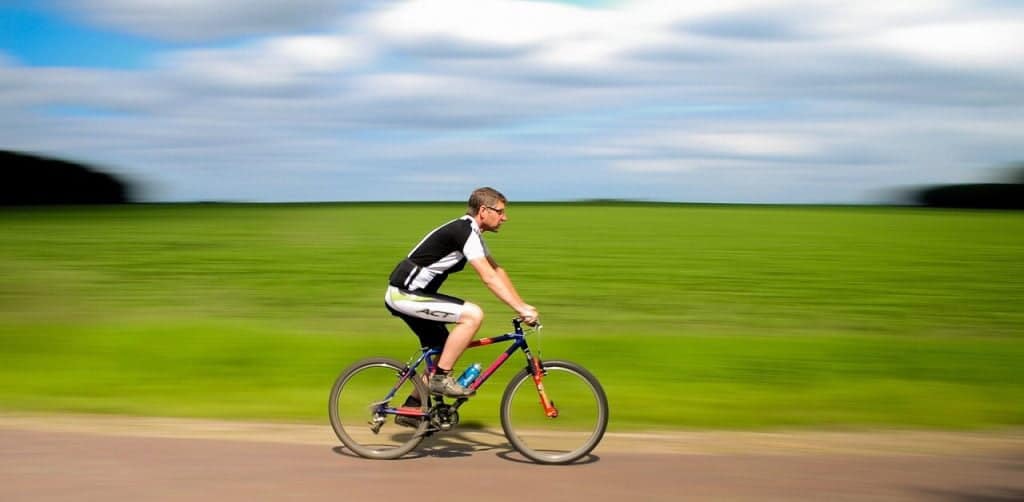
🎵 5. Favorite hobbies
Recommended level: A1-B2.
Learners talk about what they like doing in their free time: sports, music, movies, outings, games or creative activities. They then explain why they enjoy these activities.
Useful questions: Quel est ton sport préféré ? • Tu écoutes quel genre de musique ? • Tu as un film préféré ? • Tu préfères sortir ou rester à la maison ?
Language support: J’aime… / Je préfère… / Je n’aime pas trop… / Ça me détend.
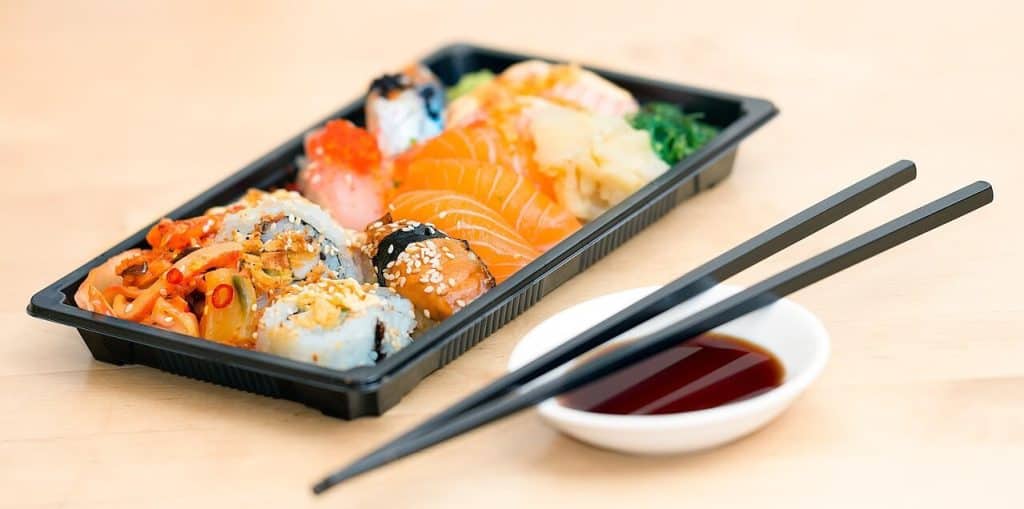
🍲 6. Favorite food
Recommended level: A1-B2.
Learners talk about their favorite dishes and eating habits. They describe flavors, ingredients and traditional foods they enjoy.
Useful questions: Quel est ton plat préféré ? • Quels ingrédients faut-il ? • Est-ce sucré, salé, épicé ? • As-tu déjà essayé la cuisine française ?
Language support: Il faut… / On mélange… / C’est épicé, doux, salé, croustillant…
🎉 7. Traditions and customs
Recommended level: A2-C2.
Learners talk about traditions and customs from their country of origin: celebrations, weddings, family events or important cultural moments.
They can describe activities, clothes, foods and games connected with these traditions.
Useful questions: Quelle est la fête la plus importante dans ton pays ? • Comment est-elle célébrée ? • Quelles sont les traditions de mariage ? • Quels plats sont associés aux fêtes ?
Examples: Diwali, Pongal, Eid al-Fitr, Eid al-Adha, Chinese New Year, national holidays or family traditions.
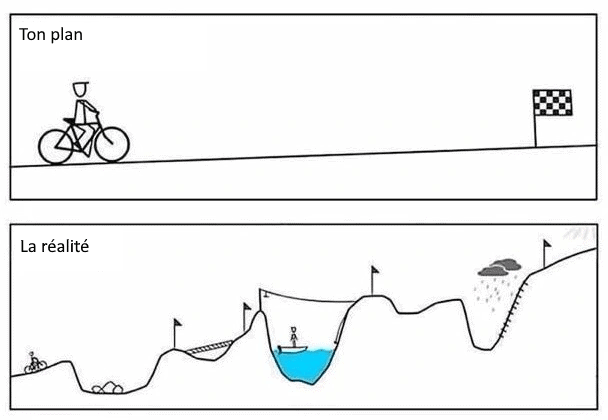
💡 8. Life lessons
Recommended level: B1-C2.
Topic: Write a few sentences about something you experienced that taught you an important life lesson. The learner then speaks about this experience in front of the group.
You can guide this activity toward a serious topic, but also toward something lighter so that learners do not feel uncomfortable.
Useful questions: Qu’est-ce qui s’est passé ? • Pourquoi cette expérience t’a marqué(e) ? • Qu’as-tu appris ? • Que ferais-tu différemment aujourd’hui ?
Language support: J’ai compris que… / Cette expérience m’a appris… / Depuis, je…
🌟 9. The most important moment of your life
Recommended level: B1-C2.
Invite learners to share a unique event that deeply changed their life. This activity is ideal for practicing emotions and narrative structure: before, during and after the event.
Prompt ideas: the birth of a child, getting a diploma, an important meeting, moving to a new country or making a life-changing decision.
Useful questions: Quel est le jour qui a changé votre vie ? • Qu’est-ce qui s’est passé exactement ? • Quel impact cet événement a-t-il eu sur votre façon de voir le monde ?
🧸 10. A happy childhood memory
Recommended level: A2-C1.
This topic invites learners to talk about nostalgia, happy moments and childhood memories. It is useful for practicing the imparfait for description and repeated habits.
Useful questions: Quel est votre souvenir d’enfance le plus joyeux ? • Avec qui étiez-vous ? • Où vous trouviez-vous ? • Y a-t-il une odeur, un jeu ou un plat qui vous replonge en enfance ?
Prompt ideas: holidays with grandparents, games with friends, a family celebration, a birthday or a childhood tradition.
🤔 11. Something I regret or do not regret
Recommended level: B1-C2.
Learners reflect on a decision in their life. They explain what motivated the choice and how they see it today.
Teaching focus: depending on the level, this activity can be used to practice the past conditional: J’aurais dû… / Si j’avais su, j’aurais…, or structures such as Je ne regrette pas d’avoir…
Useful questions: Si vous pouviez retourner dans le passé, que feriez-vous différemment ? • Quelle décision risquée ne regrettez-vous pas ? • Les erreurs nous aident-elles à grandir ?
💡 Teaching tips ▼
👀 Preview of the premium recap file
An 8-page recap file is available for premium members. It presents the conversation topics in a clearer, printable format that can be used directly in class.
-
8 ready-to-use pages A clear worksheet file with instructions, learning goals, useful questions and language support.
-
Editable DOCX version Useful for adapting instructions, levels, topics or wording to your class.
📎 What is included?
-
11 main conversation topics Introductions, job interviews, travel, family, hobbies, food, traditions, life lessons, memories and regrets.
-
Suggested levels Level guidance from A1 to C2 depending on the topic and teaching approach.
-
Useful questions Ready-to-use French questions to help learners speak more easily.
-
Language support Sentence starters and useful structures to guide answers.
🔒 Download the recap file
The 8-page recap file is reserved for premium members. It is available as a printable PDF and an editable DOCX file.
❓ Frequently asked questions
What level are these French conversation topics for? ▼
They can be used from A1 to C2. The level depends on the expected answer length, the complexity of follow-up questions and the degree of argumentation required.
Can these topics be used as icebreakers? ▼
Yes. Simple topics such as introductions, family, hobbies and food work very well at the beginning of a lesson to create interaction.
How can I adapt these topics for beginners? ▼
Give sentence starters, useful vocabulary and a short preparation time. Beginner answers can remain very simple.
How can I use these topics with advanced learners? ▼
For B2, C1 or C2 learners, ask students to nuance, compare, justify opinions, give precise examples or debate.
Is the recap file included? ▼
Yes. An 8-page recap file is available as a printable PDF and editable DOCX for premium members.